
State/New Zealand Representatives
State and New Zealand representatives promote the society and its activities by fostering local communities, recruiting new members and sharing local news with our national membership base. State and New Zealand representatives also organise local scientific meetings of the society, which are vital for cell biologists and developmental biologists to meet, share cutting-edge science and support career development.
Australian Capital Territory

Teresa Bonello
Australian National University
Dr Theresa Bonello is a Research Fellow based at the John Curtin School of Medical Research at ANU. Dr Bonello has a long-standing interest in how cells polarise and respond to mechanical cues. Teresa uses epithelial models from flies to organoids and provides fundamental insight into conserved signalling pathways central to development and cancer.
Twitter @DrTeresaBonello
Web Thompson-Group

Rachel Woodhouse
Australian National University
Dr Rachel Woodhouse is a Research Fellow based at the John Curtin School of Medical Research at ANU. Dr Woodhouse applies expertise in epigenetics to target mechanisms of immune evasion in cancer and overcome resistance to chemotherapy.
Twitter @rachelinthelab
Web Burr-Group
New South Wales
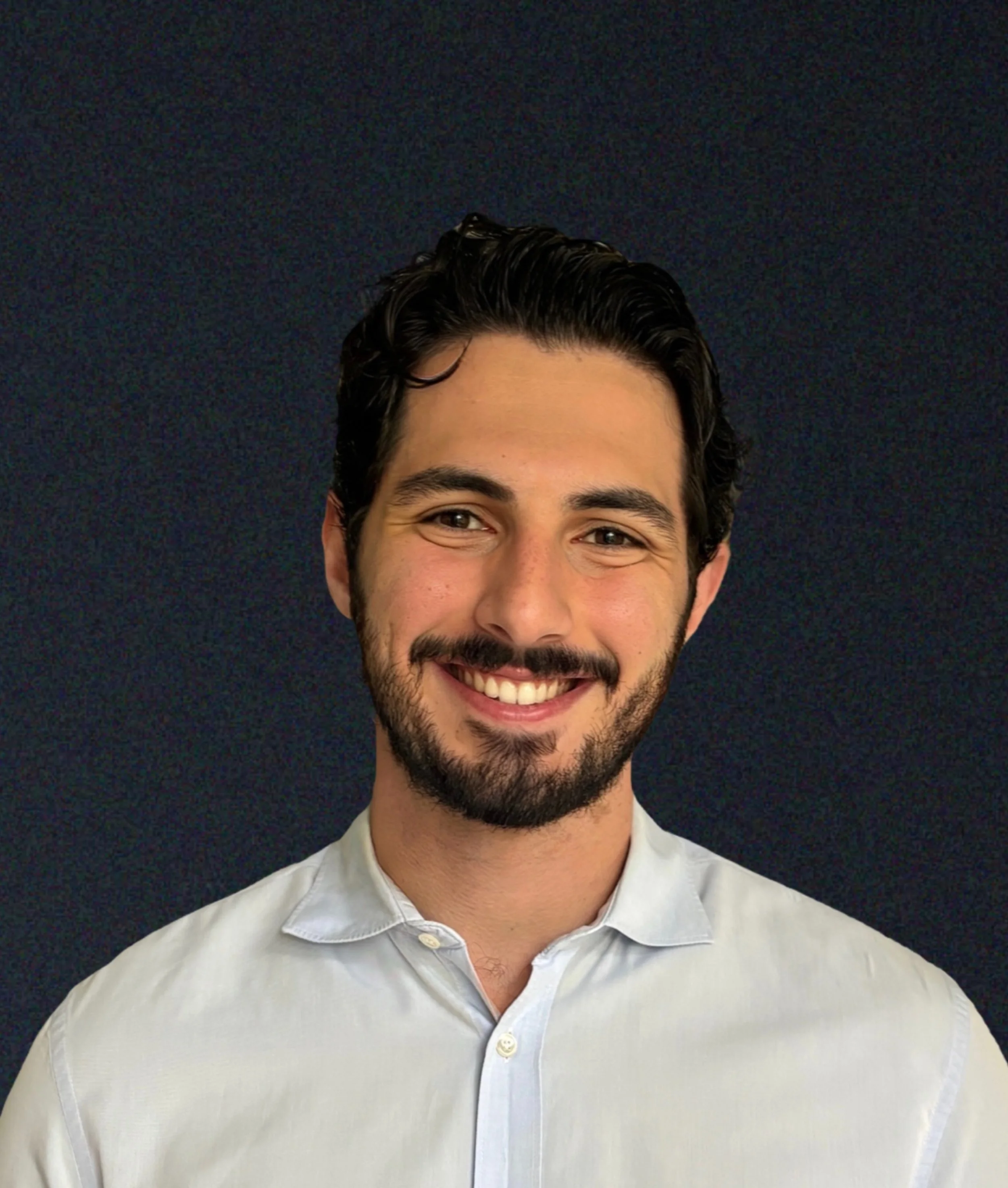
Dr. Jonathan Scavuzzo
Heart Research Institute
Dr Jonathan Scavuzzo is a postdoctoral Research Officer at the Heart Research Institute and an Adjunct Lecturer at the University of Sydney. His work aims to identify circulating biomarkers that improve the detection and assessment of peripheral artery disease. He also studies the cell biology of endothelial cells, combining signal transduction, systems biology and cellular metabolism to understand how the vasculature responds to disease.
Web JonathanS
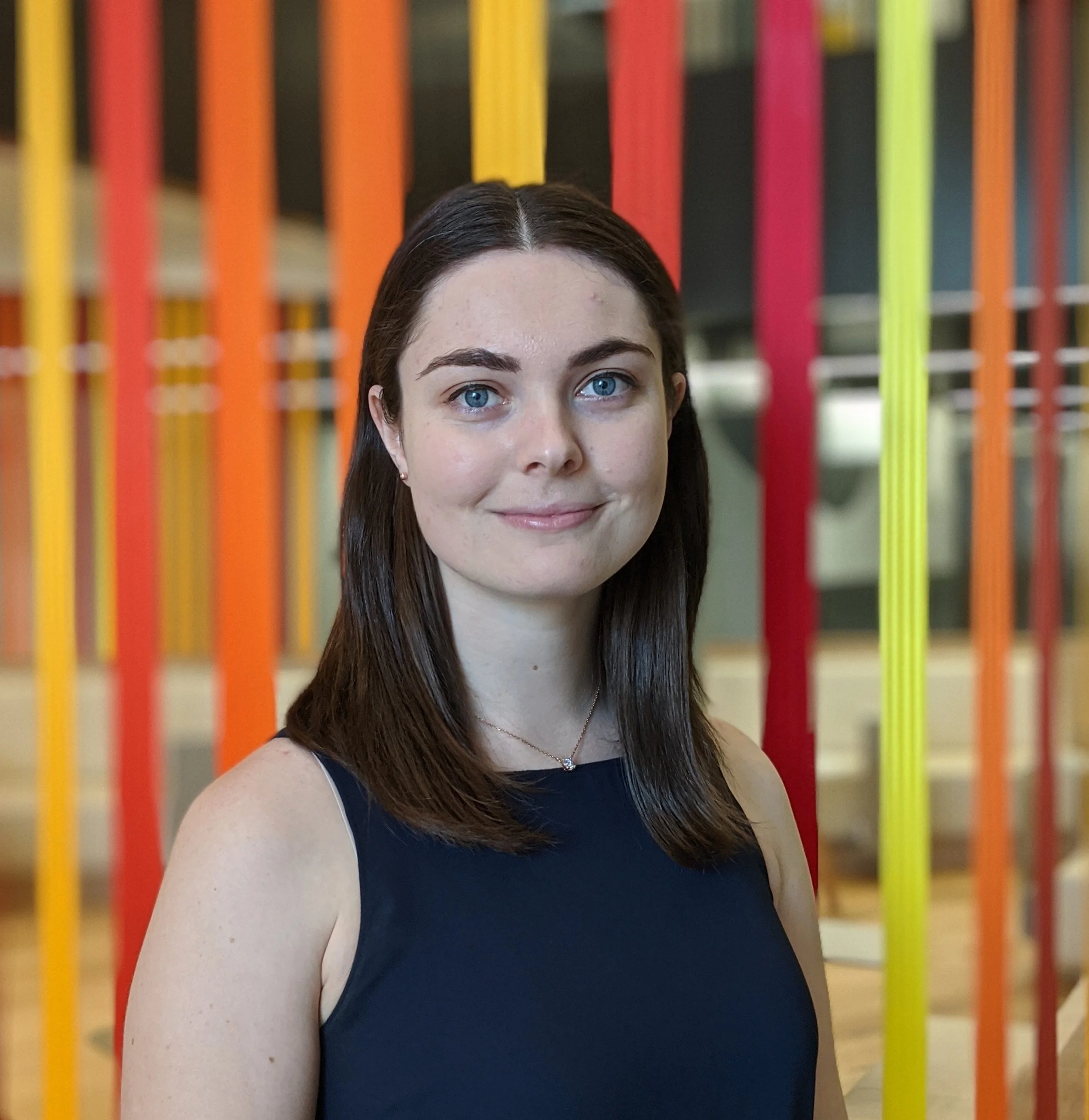
Dr. Nicole Green
University of New South Wales
Nicole Green is a postdoctoral researcher at the University of New South Wales. Her work investigates the genetic and transcriptomic changes associated with brain disorders, including neurodevelopmental and neurodegenerative disorders, and their underlying mechanisms.
Twitter @NicoleFGreen
Queensland
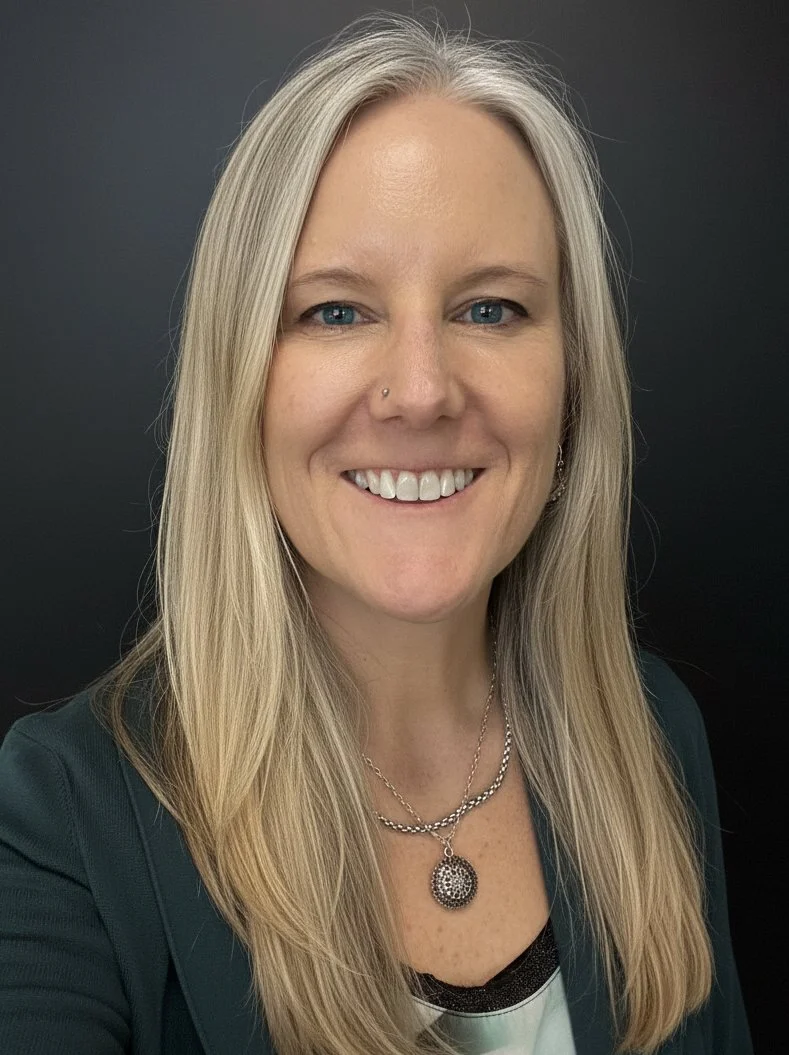
Melanie White
University of Queensland
Dr Melanie White leads the Dynamics of Morphogenesis lab at the Institute for Molecular Bioscience. Her interdisciplinary approach reveals key mechanisms driving embryogenesis. Her lab utilises quantitative live imaging in a novel transgenic quail model to understand how molecular, cellular, and mechanical processes direct tissue morphogenesis during development and disease.
Web MelWhite.com
Dr. Igor Bonacossa
QBI, University of Queensland
Dr Igor Bonacossa Pereira is a postdoctoral researcher in Prof Robert Parton’s lab at the Institute for Molecular Biosciences at UQ. He investigates how cells repurpose lipid droplets to defend against infection, and the function of a peculiar membrane molecule called caveolin using the nematode C. elegans as model organism.
Web Igor_Bonacossa
South Australia
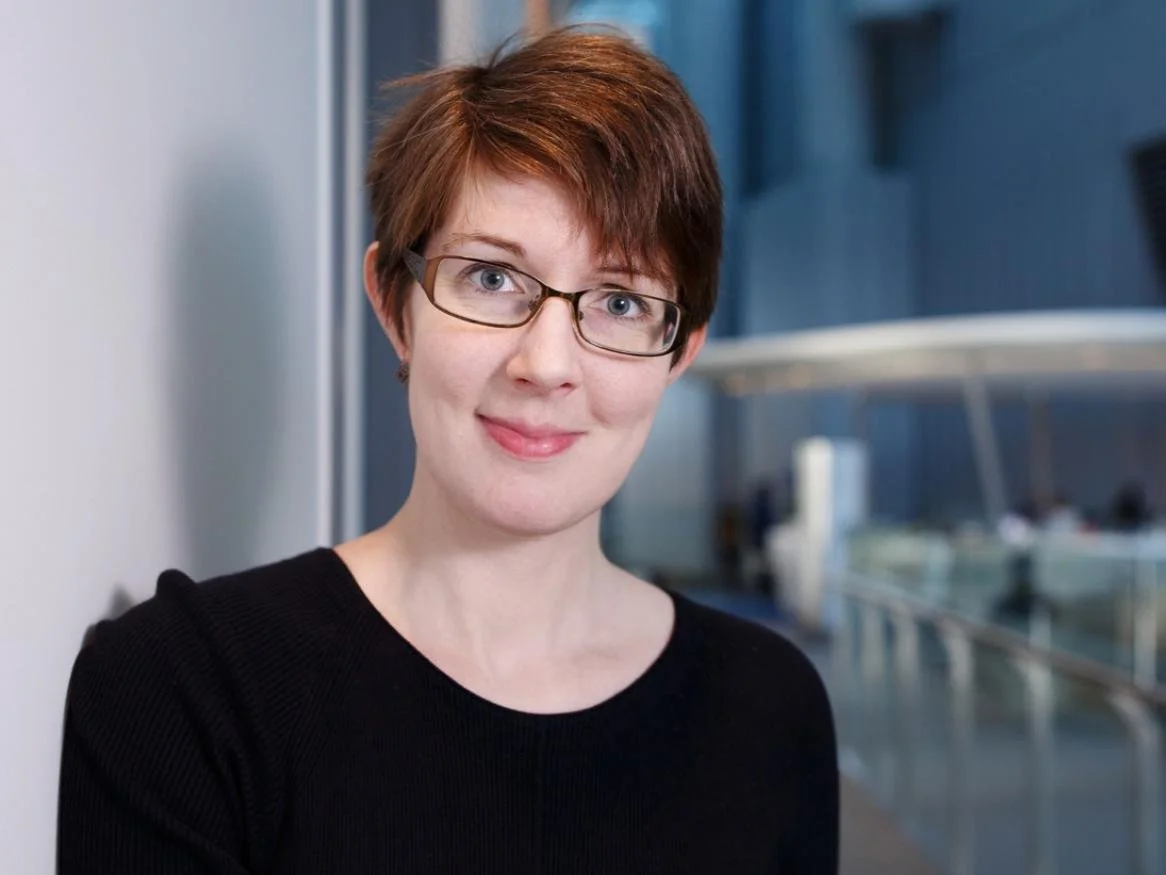
Dr Adrienne Sullivan
Adelaide University
Dr Adrienne Sullivan is Group Leader of the Development and Epigenetics Lab, co-appointed between the Adelaide Centre for Epigenetics (ACE) and the South Australian immunoGENomics Cancer Institute (SAiGENCI), Adelaide University. Her group studies how epigenetic remodelling of gene regulatory regions controls cell identity, potency, and behaviour. In particular, she seeks to understand how cells ‘forget’ previous identities in fate transitions during development, as well as how these mechanisms are co-opted in diseases such as cancer.
Tasmania
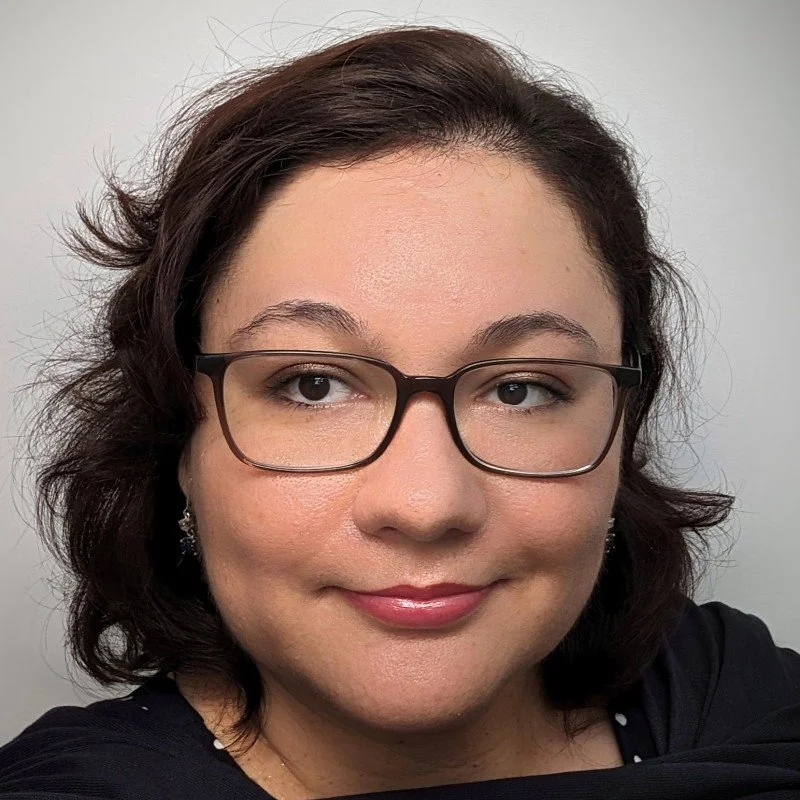
Gabriela Bodea
University of Tasmania
Dr Gabriela Bodea investigates how environmental exposures influence gene expression in the developing brain, with a particular focus on retrotransposons and epigenetic mechanisms. Her research uses sequencing, in situ hybridisation and advanced imaging approaches to understand the molecular pathways linking early-life experiences with neurodevelopmental and neuropsychiatric disorders.
Web GabrielaBodea
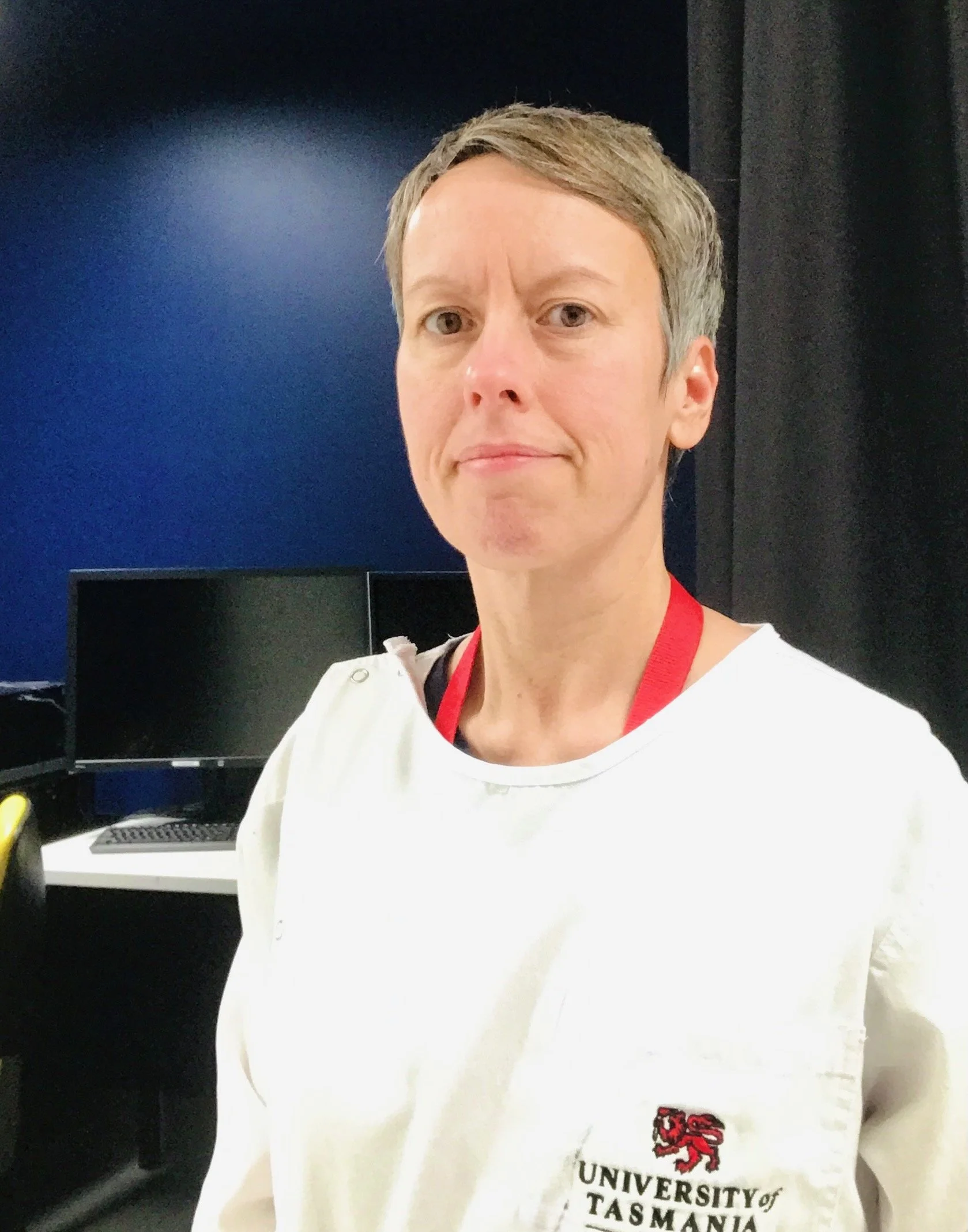
Caroline Delandre
University of Tasmania
Dr Caroline Delandre is a postdoctoral researcher at the Menzies Institute for Medical Research. She studies the epigenetics of Alzheimer's Disease and ageing using Drosophila melanogaster.
Victoria
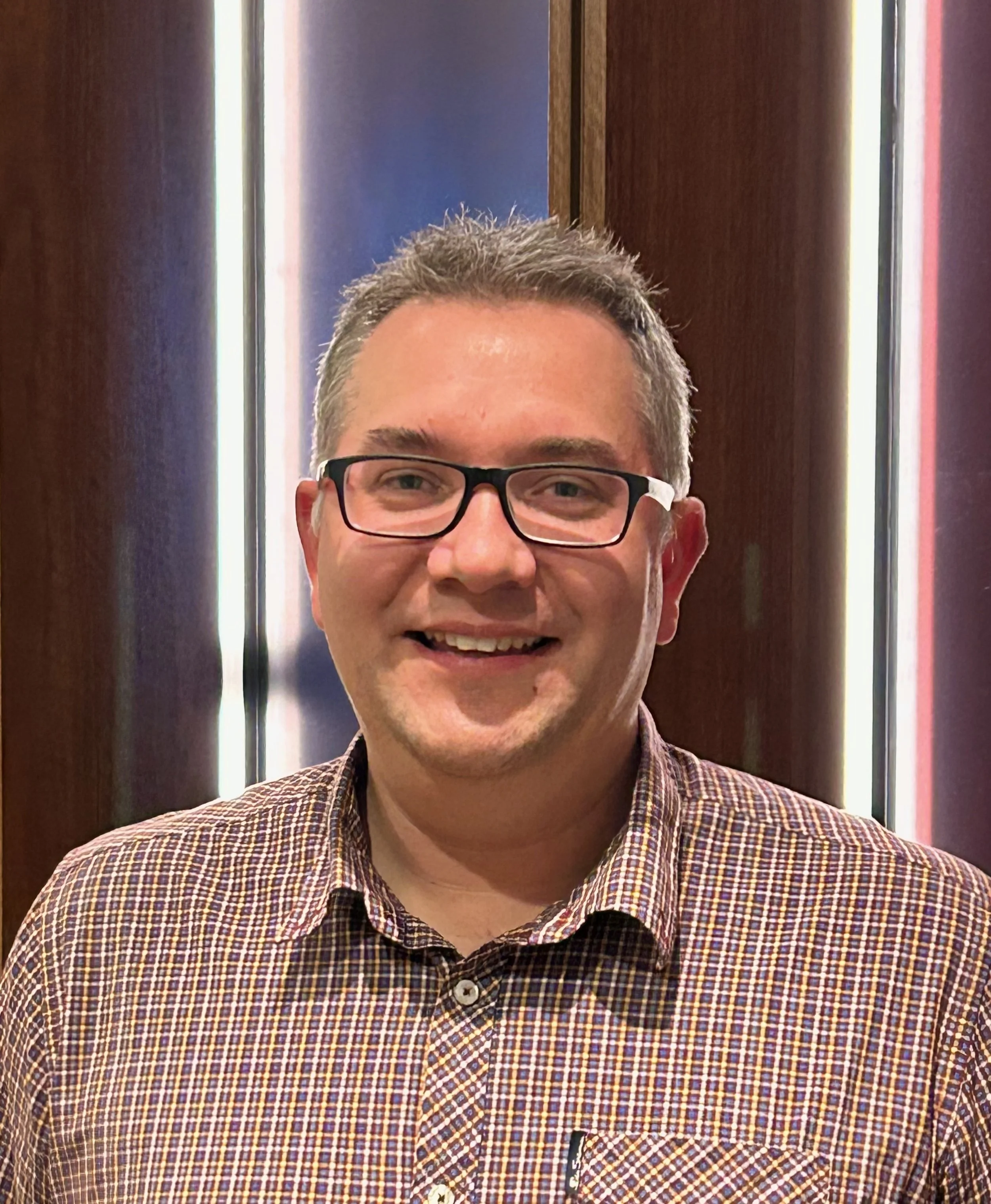
Andrew Cox
Peter MacCallum Cancer Centre
Associate Professor Andrew Cox's research program explores the molecular mechanisms that govern liver development, regeneration, and cancer. The laboratory uses zebrafish models to investigate how transcriptional networks, particularly the KEAP1/NRF2 and Hippo/YAP pathways, reprogram metabolism to regulate organ growth and drive cancer initiation and progression.
Web AndrewCox

Western Australia

New Zealand
Please contact Edwina McGlinn if interested in this position - here